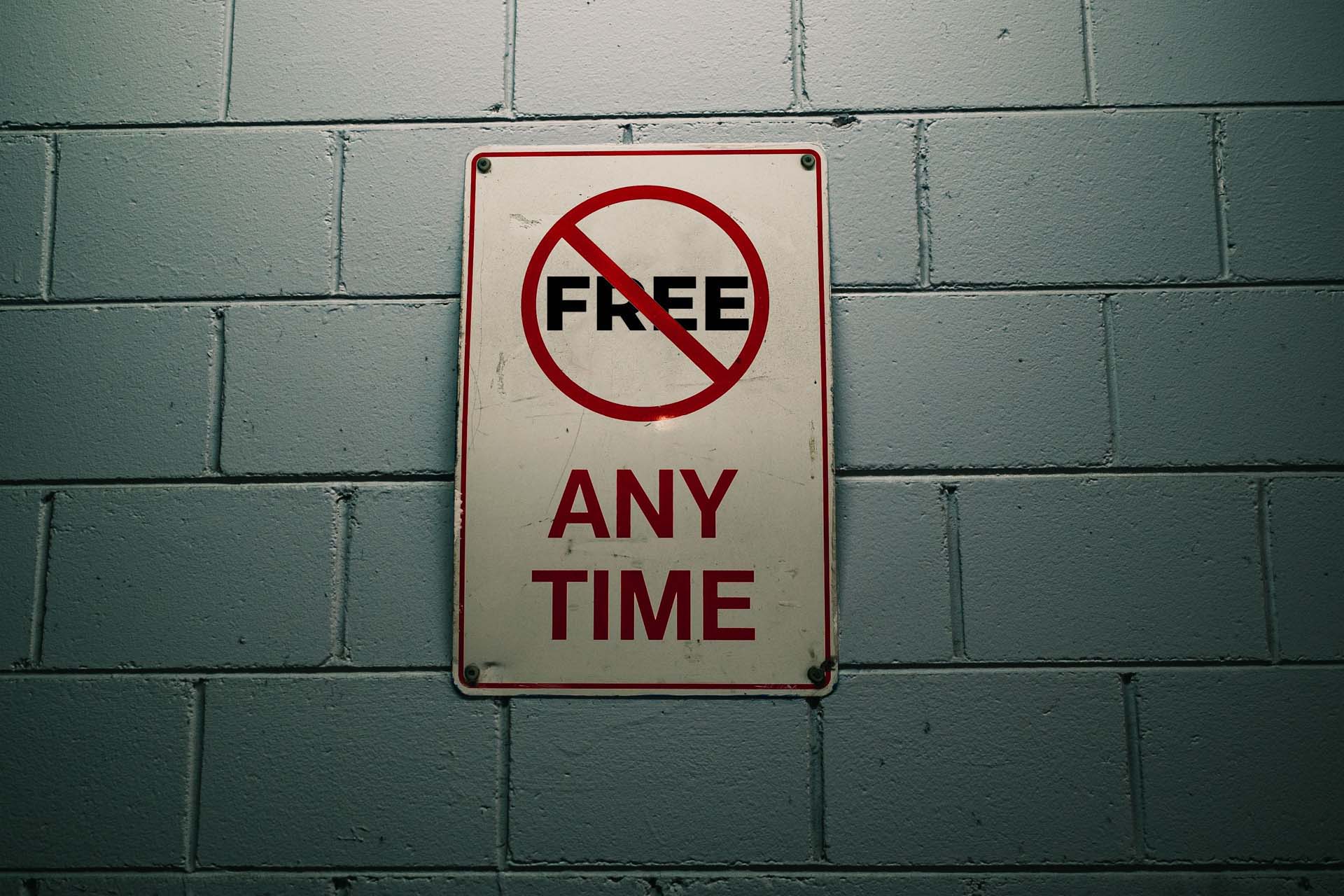
If You Are Not Paying, You Are the Product.
It is an old line by now, but it has not stopped being true. A weather app, a flashlight app, a game that costs nothing to download — someone still has to pay the engineers, the servers, and the app store’s cut. When the price tag reads zero, the money is coming from somewhere else. Almost always, it is coming from you.
The Business Model Behind “Free”
Free apps generally make money one of a few ways, and most of them involve you directly. Some show ads, which is the most visible and least invasive method. Some sell subscriptions or in-app purchases layered on top of the free base. And a large number collect and sell data about you and how you use your phone — a revenue stream that is largely invisible, because there is nothing on screen that announces it is happening.
That last category is where the real cost usually hides.
An ad interrupts your day for a few seconds. Data collection follows you long after the app is closed.
What Gets Collected
The permissions a free app requests are worth a closer look, because they often reach well beyond what the app actually needs to function.
Location. A weather app reasonably needs your location once, to load the right forecast. Some request access to track your location continuously, in the background, even when the app is closed — which is a very different thing, and useful mainly for building a record of everywhere you go.
Contacts. A surprising number of apps with no obvious social function still request access to your entire contact list, which can be used to map your personal and professional network.
Device and usage data. Which apps you have installed, how long you use each one, and general behavior patterns on your device all have value to advertisers building a profile of who you are and what you might buy next.
Where That Data Actually Goes
Collected data rarely stays with the app that gathered it. It is commonly sold or shared with data brokers — companies whose entire business is compiling profiles on individuals and selling access to that information. From there, it can be combined with data from dozens of other sources to build a detailed picture of someone’s habits, interests, location patterns, and more, all without that person ever directly interacting with the company doing the compiling.
This is how a single free flashlight app, of all things, ends up connected to an advertising and data economy worth far more than the app itself.
How to Actually Evaluate a Free App
Check the permissions before installing. Most app stores show requested permissions up front. A simple test: does this permission make sense for what the app claims to do? A flashlight app asking for your contacts is a clear mismatch.
Review permissions on apps you already have. Both major mobile operating systems let you review and revoke permissions per app at any time, well after the initial install. This is worth doing periodically, not just once.
Consider whether “free” is actually cheaper. A paid app with a clear, one-time cost and no data-selling business model can genuinely be the better deal, even at a few dollars, compared to a free alternative quietly built around collecting and selling your information indefinitely.
Read what the developer actually discloses. App stores increasingly require developers to disclose what data they collect and how it is used. It is easy to skip past this section, but it is often the most honest summary available of what you are actually agreeing to.
Free was never really free. Understanding what is actually being traded for it is what turns a blind download into an informed choice.
·
Logic Base